1. Wash It Every Time You Shower

Make belly button cleaning part of your daily shower routine. A quick cleanse with soap and water will keep things fresh—especially after workouts or hot days when you’ve been sweating more than usual.
2. Use Mild Soap and Warm Water

No fancy products needed! Just use your regular body wash or gentle, unscented soap. Lather it up with your fingers or a washcloth, gently clean your navel, and rinse thoroughly. You can also use a saltwater solution (1 tsp salt in 1 cup warm water) if your skin is sensitive to soap.
3. Deep Clean with a Cotton Swab (If You Have an Innie)

If you’ve got an “innie,” dirt can hide deep inside. Dip a cotton swab in warm, soapy water and gently clean the inner folds. Be extra gentle—no harsh scrubbing!
4. Always Dry It Thoroughly

Moisture invites bacteria and fungi. After showering, pat your belly button dry with a clean towel or let it air-dry for a few minutes. Wear breathable clothing to prevent sweat buildup.
5. Avoid Lotions and Oils Inside
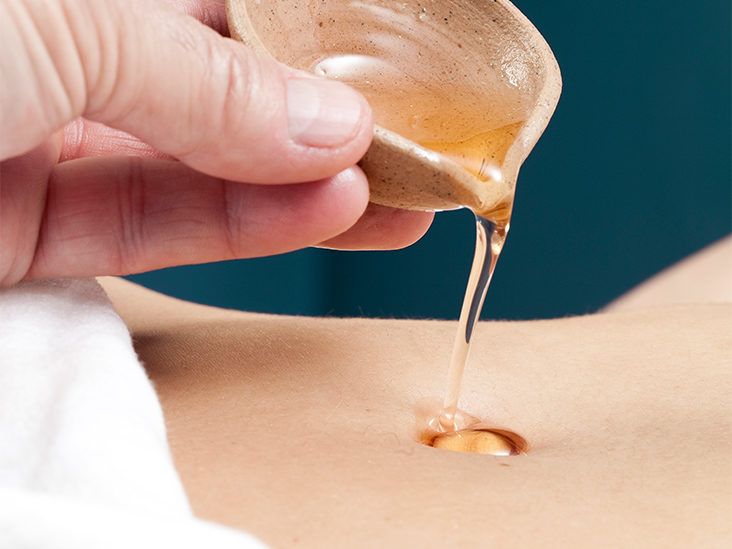
Skip applying creams, oils, or lotions inside your belly button—they can trap moisture and cause infections. If you have an “outie,” you can lightly moisturize, but stop if you notice itching, odors, or irritation.
How to Deal with Belly Button Odor or Infection
1. Check for Infection Signs

If your belly button smells bad even after washing, watch for symptoms like:
-
Red, scaly, or swollen skin
-
Itching or pain
-
Yellow or green discharge
-
Fever or feeling unwell
These could mean a bacterial, fungal, or yeast infection.
2. Visit Your Doctor for Proper Diagnosis

Don’t try to self-diagnose. A doctor can tell what kind of infection it is and prescribe the right treatment—usually a topical antibiotic or antifungal cream. They might also take a swab for lab testing if needed.
3. Follow Treatment and Home Care
To heal properly:
-
Don’t pick or scratch
-
Wash clothes and sheets often
-
Don’t share towels
-
Wear breathable clothes
-
Clean daily with saltwater, if advised
4. What to Do If It’s a Cyst

Painful swelling or discharge might be caused by a cyst. Your doctor can drain it and prescribe antibiotics. Follow their care tips—this may include using a warm compress or changing dressings daily. If the cyst returns, surgery might be needed.
5. Watch Out for Navel Stones

Neglecting to clean your belly button can lead to navel stones (a.k.a. omphaloliths)—hardened buildups of oil, dirt, and skin cells. If you spot one, don’t try to remove it yourself. Your doctor can safely take it out.
Keeping your belly button clean is a simple part of your hygiene routine that makes a big difference. With just a few extra seconds in the shower, you’ll prevent odor, infection, and discomfort—so don’t skip the navel love!


![[2026 New Full Set] Zebra Mildliner Mix Dual-Color Highlighters - Set of 9 New Aesthetic Gradient Shades](http://stationerypal.com/cdn/shop/files/Zebra_Mildliner_Mix_Dual-Color_Highlighters_10.jpg?v=1774868336&width=298)
![[2026 New Full Set] Zebra Mildliner Mix Dual-Color Highlighters - Set of 9 New Aesthetic Gradient Shades](http://stationerypal.com/cdn/shop/files/Gemini_Generated_Image_phsh3xphsh3xphsh.png?v=1774868281&width=298)